
Is Curaçao Safe? The Honest Answer.
Short version — yes, it's one of the safer Caribbean islands. Here's the honest, specific version, with the parts most guides skip.
By Tommy Coconut · June 12, 2026
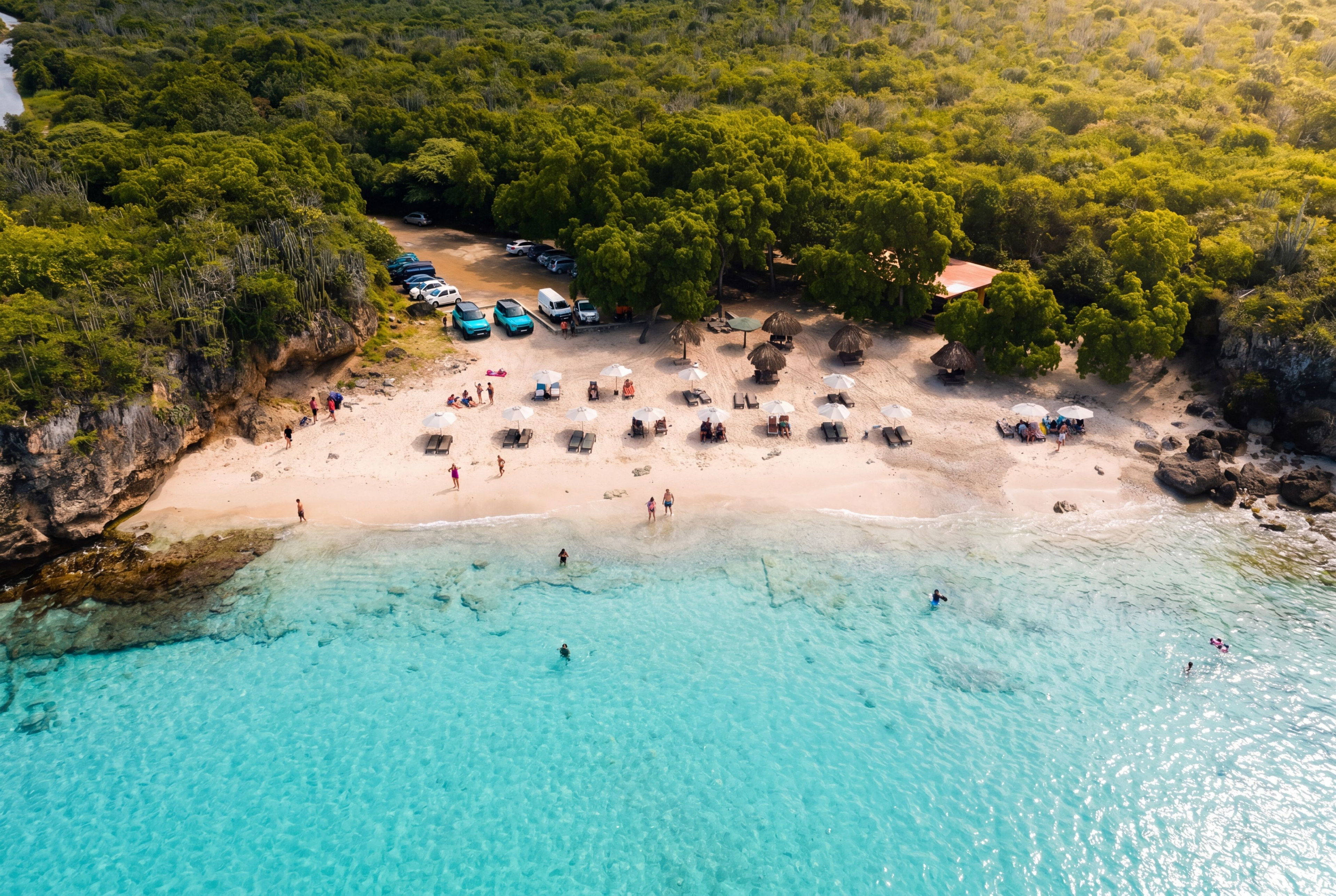
You're weighing up Curaçao, and somewhere in the planning a quiet question shows up: is it actually safe? Most guides answer with a shrug — “use common sense!” — and tell you nothing useful.
We live here. We'll give you the real shape of it, the honest version, including the bits the tourism board glosses over, so you arrive relaxed instead of guessing. Fair?
The Honest Answer First
Curaçao is generally one of the safer Caribbean islands. Violent crime is rare in the tourist areas. The realistic thing to watch is petty theft — the same kind you'd keep half an eye on in any city back home. Use that level of common sense and you'll have a calm trip.
That's most of the story, and it's the true part. The rest is just specifics — the water, the beaches, the roads, the storm question — so let's go through them straight.
Cities & Nighttime
Willemstad is the capital, and the parts you'll actually spend time in — Punda and Pietermaai — are lively, walkable, and fine. The waterfront hums in the evening. Take the same precautions you'd take in any city after dark: stay where there are people, don't flash valuables, and grab a taxi or your own car late rather than wandering empty side streets.
The one habit worth keeping everywhere on the island: don't leave anything in a parked car. Phone on the seat, bag in the footwell — that's the petty-theft opportunity. Out of sight, locked, and there's nothing to tell.
The Water & Beaches
On the leeward side — the calm, protected coast where most of the famous beaches sit — the swimming is gentle. Flat, warm, clear water, the kind you can put a small kid in without holding your breath. That's the side you'll spend most of your week on.
The wilder beaches up the north coast and out toward Westpunt are stunning, but the sea there has more push to it. Respect the currents, don't swim out past where you're comfortable, and read the conditions before you wade in. Beautiful is not the same as gentle — and on those beaches it pays to know the difference.
Tap Water
Drink it. Curaçao's tap water is desalinated seawater, and it's among the cleanest drinking water anywhere on the planet. It's safe straight from the tap, it tastes good, and you do not need to buy bottled. One less thing to think about.
Driving
Driving here is easy. You drive on the right, the roads are fine, and distances are short — most of the island is half an hour from most of the island. The only local quirk: you'll meet goats on the road, taking their time, poko poko. Don't rush, don't honk, just go around. That's the pace of the place, and it's a good one to settle into.
Hurricanes
The storm question deserves its own honest answer, and the news is good: Curaçao sits about 12° north of the equator, below the main hurricane belt, so direct hits are very rare. It's one of the big reasons the island works year-round. We wrote the whole thing out here: Does Curaçao get hurricanes?
The Part That Actually Changes the Answer
Here's the honest reframe. Safe is the baseline — Curaçao clears it. The real question underneath “is it safe” is usually quieter: if something wobbles at midnight, who do I call? A wrong turn, a kid with a fever, a door that won't lock, a question only a local can answer. That's the part the crime stats don't cover, and it's the part that decides how a trip actually feels.
On the island, you've got three options:
01 · A hotel. Safe enough, sure — but a front desk, a queue, and a polite shrug when the answer isn't in the binder.
02 · A rental. A lockbox and a phone number. The key's under the mat and the host means well — but if something goes wrong at midnight, you're reading reviews and praying someone picks up.
03 · The private resort. Someone who lives here, on it. Not a number that maybe answers — a person down the road who knows the island, knows the doctor, knows which beach is calm today and which road the goats own this week. The difference between a phone number and someone on the ground is the whole difference.
We're the third one. That's why we don't get reviewed — we get adopted. 700+ guests, a 4.99 rating, and 40% of them come back the year after their first Dushi Week. That's the receipt, not the marketing.
So — is Curaçao safe? Yes. The island holds up. The week holds up differently when someone who lives here is carrying it for you, poko poko, while you get in the water. That's the difference between booking a villa and booking a Dushi Week.
Vacation is holy.
Frequently Asked Questions
Is Curaçao safe for tourists?
Yes — it's generally one of the safer Caribbean islands for visitors. Violent crime is rare in the tourist areas, and the main thing to watch is petty theft. Use the same common sense you'd use in any city: don't leave valuables visible in a parked car, lock up at night, and you'll have a calm trip.
Is it safe to walk around Willemstad at night?
The main areas — Punda, Pietermaai, the waterfront — are lively and fine in the evening. Take the normal precautions you would anywhere after dark: stay where there are people, don't flash valuables, and use a taxi or your own car late at night rather than wandering empty side streets.
Can you drink the tap water in Curaçao?
Yes, and you should. Curaçao's tap water is desalinated seawater and is among the cleanest drinking water anywhere in the world. It's safe straight from the tap, it tastes good, and there's no reason to buy bottled.
Is Curaçao safe for families?
Very. Calm leeward beaches, warm shallow water, easy driving, safe tap water, and low violent crime make it one of the more relaxed Caribbean islands to bring kids to. Respect the stronger currents at the wilder north and Westpunt beaches, and the rest takes care of itself.
Does Curaçao get hurricanes?
Almost never. The island sits about 12° north of the equator, below the main Atlantic hurricane belt, so direct hits are very rare — one reason it works year-round. The full geography and data is in our guide on whether Curaçao gets hurricanes. And if you're weighing the calendar, here's the best time to visit Curaçao.
Not ready to apply? We'll design your exact week first — free. Design your Week
4.99★ · 700+ guests · 7 years · Top 1% on Airbnb